Umami is not a flavor you add — it is a depth you build. Fermentation is its most powerful tool. From miso to aged vinegar to house-made garum, here is how microbial transformation creates flavor compounds that no other technique can replicate.
The word umami was coined by chemist Kikunae Ikeda in 1908, but the flavor it describes is thousands of years older. Every ancient food culture discovered fermentation independently — because the deepening of savory flavor through microbial action is one of the most compelling transformations in all of gastronomy.
What Fermentation Actually Does
At its core, fermentation is a process by which microorganisms — bacteria, yeasts, or fungi — break down complex molecules into simpler ones. In culinary fermentation, proteins are hydrolyzed into free glutamates and inosinates, the chemical compounds responsible for the umami sensation. The longer the fermentation, the higher the concentration of these compounds, and the more profound the flavor becomes.
The Fermented Pantry
- Miso: White shiro miso is mild and sweet; red aka miso is intense and saline. Use white in vinaigrettes, red to glaze proteins.
- Aged Balsamic: True Aceto Balsamico Tradizionale is fermented and aged 12–25 years. A few drops transform a dish utterly.
- Garum: The Roman fish sauce — intensely savory, deeply marine. A few drops in a braise or pasta adds irreplaceable depth.
- Koji: The mold Aspergillus oryzae produces enzymes that accelerate umami development. We use koji-cured beef at the restaurant.
- Anchovies in oil: When melted into a sauce, they provide glutamate without a perceptible fish flavor — the invisibly savory cook's ingredient.
We make our own garum from fish trimmings. It takes three months and fills the cellar with a fragrance that is challenging at first, and magnificent once you understand what it becomes.
— Chef Marco Rinaldi
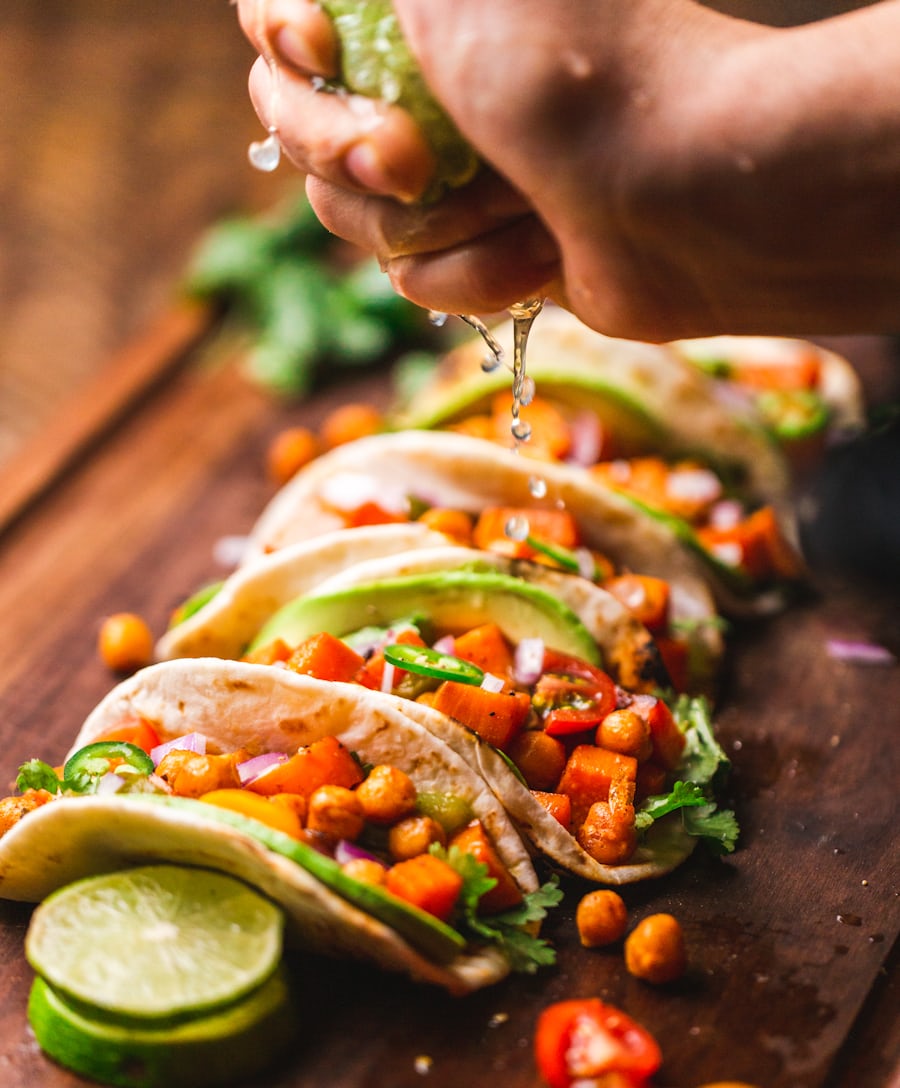
When incorporating fermented ingredients into cooked dishes, add them at the end or off heat. High temperatures degrade the complex flavor compounds you worked so hard to develop.
Taste Fermentation in Every Course
From our miso-glazed duck breast to the koji-aged beef, fermented flavors run through the entire Savora menu.
Explore the Menu
Chef Marco Rinaldi
Head Chef & Founder · Savora