The nutritional argument for seasonal eating is more compelling than most people realize. The micronutrient density of a freshly harvested tomato in August and a cold-stored tomato in January are not remotely equivalent. Here is the evidence.
The modern supermarket has performed a remarkable deception: it has made every month of the year look like July. Strawberries in January, courgettes in December, asparagus year-round. The visual abundance is seductive, and the flavors are passable. But the nutritional profile of produce that has traveled thousands of miles from a counter-seasonal growing region is a shadow of the same food harvested at local peak ripeness.
The Nutrient Decline of Industrial Produce
A landmark study published in the Journal of the American College of Nutrition documented significant declines in the nutritional content of 43 garden crops between 1950 and 1999. Protein content fell 6%, calcium 16%, phosphorus 9%, and riboflavin 38%. The cause is a combination of intensive growing practices, selective breeding for yield and shelf life rather than nutrition, early harvesting, and extended cold storage.
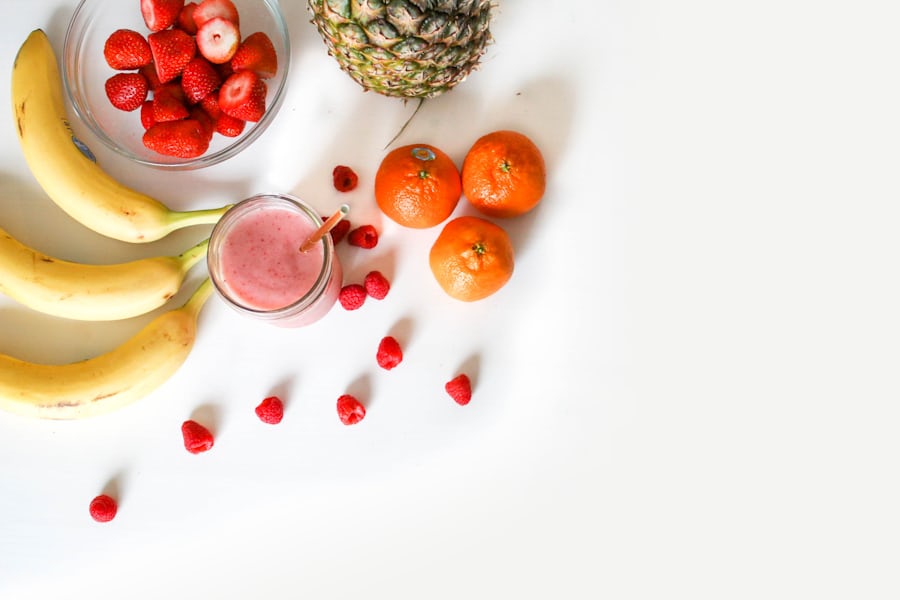
A strawberry at peak season contains three times the antioxidant content of the same variety grown off-season under glass. These are not marginal differences. They are meaningful dietary gaps.
— Dr. Nadia Rossi, Culinary Nutritionist
What Happens During Cold Storage
Vitamin C begins to degrade within days of harvest. Spinach can lose 90% of its vitamin C in the first 24 hours post-harvest if held at room temperature, or 50% over a week in refrigeration. Phytonutrients — the polyphenols, flavonoids, and carotenoids that contribute to long-term disease protection — continue to degrade throughout storage. A locally grown, same-week tomato is simply a different food from a transported equivalent.
- Spring: Asparagus, peas, broad beans, radishes, spring onions — all rich in folate and vitamin C.
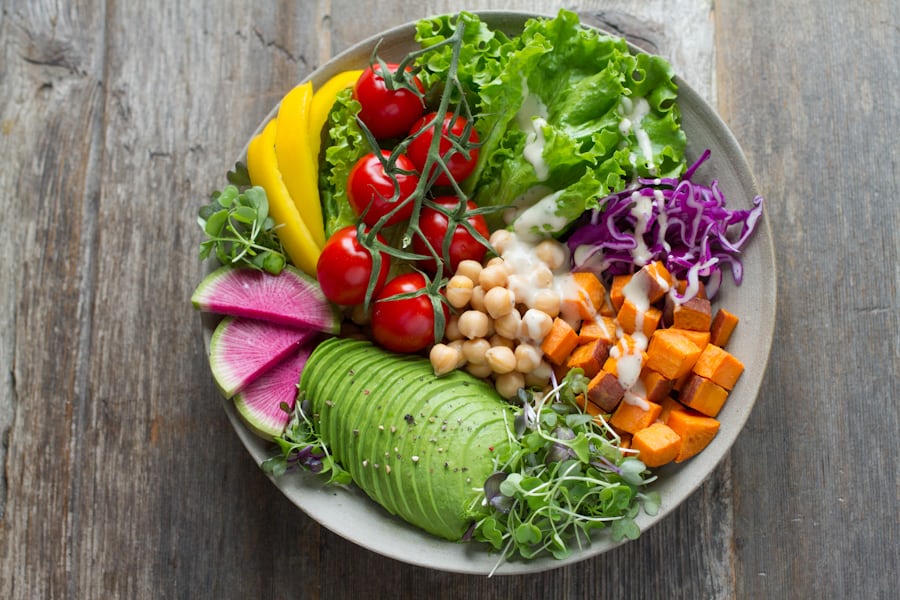
- Summer: Tomatoes, courgettes, peppers, berries — antioxidant density at its annual peak.
- Autumn: Root vegetables, squash, apples, celeriac — high in beta-carotene and complex carbohydrates.
- Winter: Brassicas (kale, Brussels sprouts, cabbage), citrus, chicory — nutrient-dense and anti-inflammatory.
Frozen vegetables, processed within hours of harvest, often retain more micronutrients than their 'fresh' supermarket counterparts that have been stored for days. In winter, frozen is often the better nutritional choice.
Our Seasonal Commitment
At Savora, our menu changes with every market visit. We never source produce out of season, and we work directly with farms within a 50km radius.
Join Us at the Table
Dr. Nadia Rossi
Culinary Nutritionist · Savora